Building a Balanced Plate: A Practical Guide to Everyday Nutrition
Forget restrictive diets. Learn how to structure meals around vegetables, quality protein, whole grains and healthy fats so eating well becomes automatic.
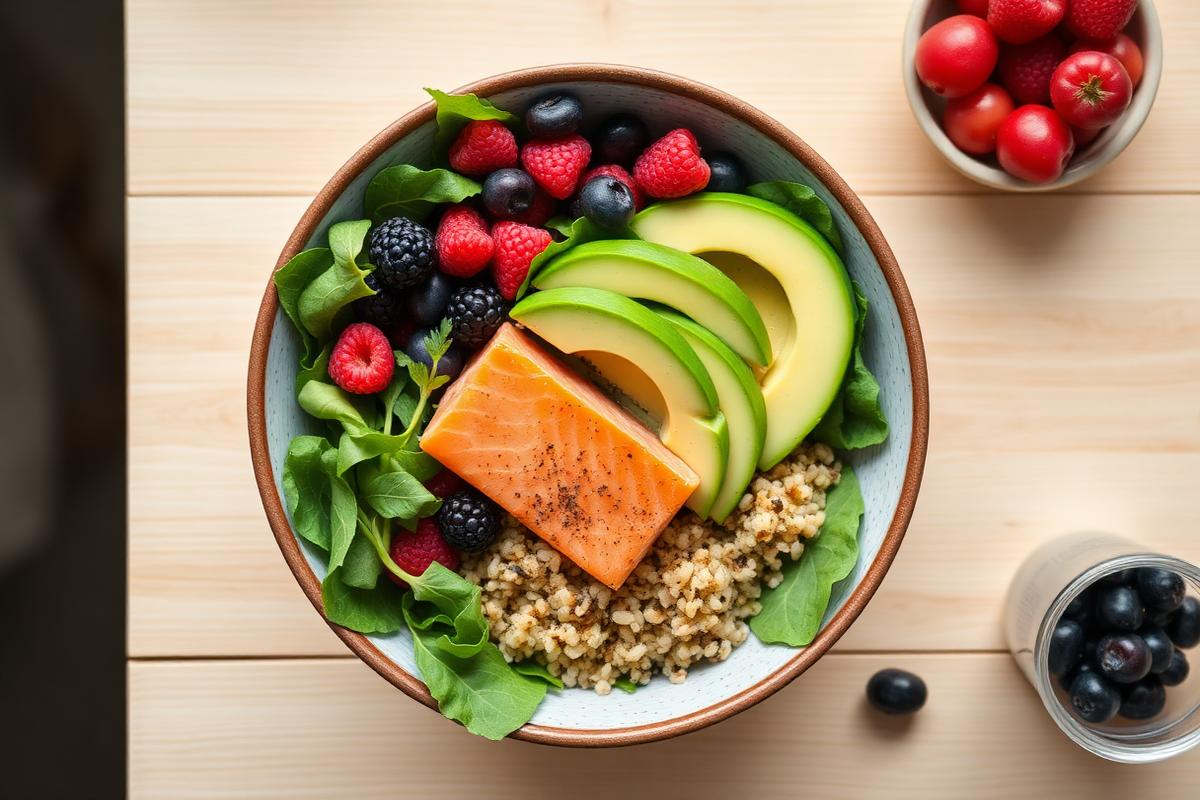
A balanced plate is less about counting calories and more about proportions. Aim to fill half your plate with vegetables and fruit, a quarter with a protein source such as fish, legumes, eggs or poultry, and the remaining quarter with a whole grain like brown rice, oats or quinoa. Add a small serving of healthy fat — olive oil, nuts or avocado — to help your body absorb fat-soluble vitamins and keep you satisfied for longer.
Fibre is the quiet hero of this approach. Most adults fall short of the recommended 25 to 30 grams a day, yet fibre supports digestion, steadies blood sugar and feeds the beneficial bacteria in your gut. Beans, lentils, berries, leafy greens and whole grains are the simplest ways to close the gap without overhauling your routine.
Consistency beats perfection. Prepare two or three components in advance — a grain, a roasted vegetable tray and a protein — and you can assemble balanced meals in minutes for the rest of the week.
By Dr. Amara Whitfield, RD · March 14, 2026 · 7 min read